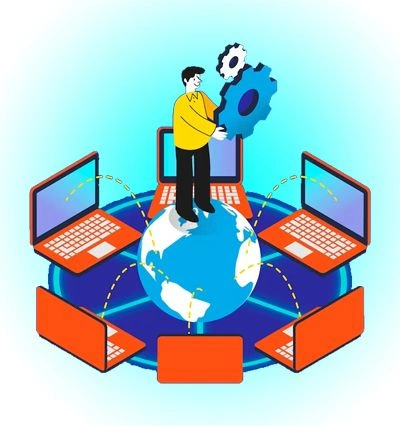

The internet has evolved significantly since its inception, with each phase introducing new technologies and capabilities. Web 1.0 was primarily a read-only platform, Web 2.0 ushered in user-generated content and social interaction, and now, Web 3.0 is poised to bring about a new era of decentralized, interconnected, and intelligent internet experiences. In this article, we will explore the layers of Web 3.0, the technologies driving this transformation, and its potential implications.
What Is Web 3.0
Web 3.0, often referred to as the Semantic Web or Decentralized Web, is an evolving concept that envisions a more intelligent and decentralized Internet. Unlike its predecessors, Web 3.0 aims to create a web where data, content, and services are seamlessly interconnected, smart, and user-centric. Key elements of Web 3.0 include blockchain technology, artificial intelligence, decentralized applications (dApps), and semantic web technologies.
The Layers of Web 3.0
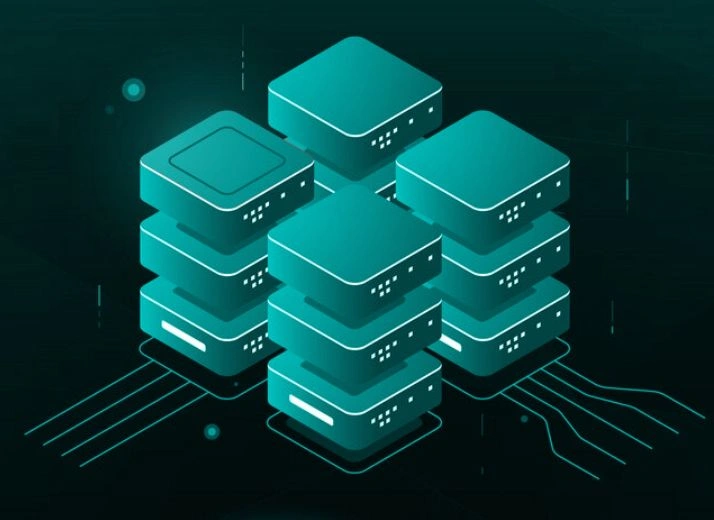
The Layers of Web 3.0
Blockchain Technology
At the core of Web 3.0 lies blockchain technology. Blockchains are distributed ledger systems that record transactions across a network of computers in a secure and transparent manner. They provide a foundation for decentralization, trust, and security on the web. In Web 3.0, blockchain technology is used to establish ownership, security, and immutability of digital assets and data. Cryptocurrencies like Bitcoin and Ethereum are prime examples of blockchain applications.
Decentralized Identity and Authentication
In Web 3.0, users have control over their digital identities. Decentralized identity systems enable individuals to manage their identity without relying on centralized authorities. These systems are often based on blockchain technology, ensuring the security and privacy of personal data. Users can grant or revoke access to their identity and data, enhancing privacy and security.
Semantic Web Technologies
Semantic web technologies play a crucial role in Web 3.0. They allow machines to understand and interpret the meaning of data on the internet. Resource Description Framework (RDF), Web Ontology Language (OWL), and Linked Data are key elements of the semantic web. By adding context and relationships to data, the internet becomes more intelligent, enabling better search results, recommendations, and data integration.