

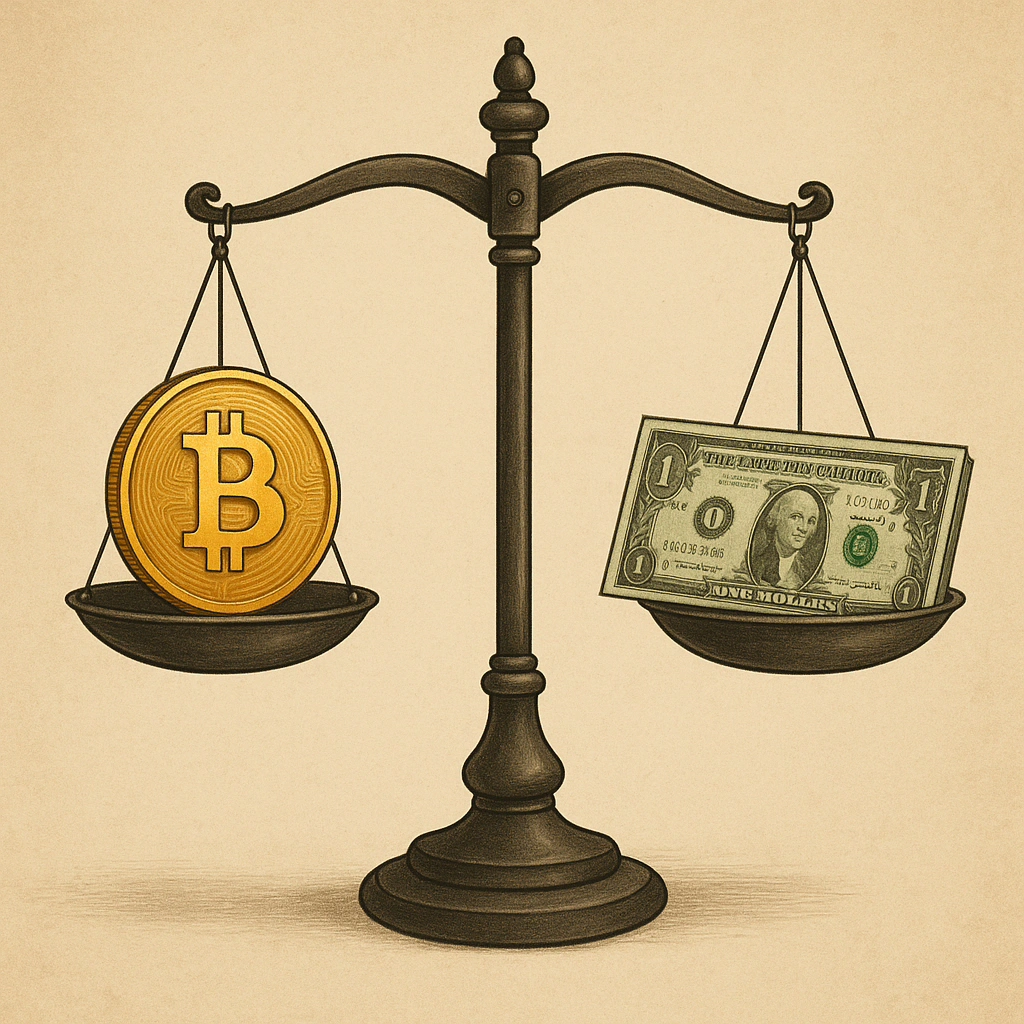
Billionaire investor Ray Dalio, founder of Bridgewater Associates, believes cryptocurrencies could increasingly rival the U.S. dollar as traditional currencies weaken under the weight of mounting debt.
In a recent post on X, Dalio referred to digital assets as an “alternative form of money” that benefits from scarcity. He argued that if governments continue to expand the money supply or if demand for dollars declines, crypto could look more appealing as a store of value.
Debt Risks Overshadow Reserve Currency Status
Dalio stressed that the real danger to the dollar is not deregulation but the U.S. government’s ballooning debt. With federal spending around $7 trillion annually and revenues closer to $5 trillion, the gap leaves a $2 trillion shortfall. To meet its obligations, Washington is expected to issue roughly $12 trillion in new debt over the next year. Interest costs alone are already at $1 trillion per year, equal to about half of the budget deficit.
He warned this dynamic echoes historical “classic devaluation” episodes seen in the 1930s and 1970s, when debt pressures triggered sharp declines in currency strength.
Gold vs. Crypto as a Hedge
Although Dalio sees potential in digital assets, his preference remains with gold, calling it the second-largest reserve asset globally. Still, he acknowledged that cryptocurrencies are gaining ground as investors seek alternatives to debt-laden fiat systems. In July, he advised holding 15% of a portfolio in Bitcoin or gold to hedge against financial instability.
Stablecoins and Treasuries
Dalio also downplayed systemic risks from stablecoins, provided they are properly regulated. The bigger issue, he said, lies in the falling value of U.S. Treasuries, many of which underpin stablecoin reserves. If Treasuries lose purchasing power, he warned, that could reshape global trust in dollar-backed assets.
Broader Investor Concerns
Dalio’s remarks align with a growing number of investors who see U.S. debt as the single biggest challenge to the dollar’s reserve status. He cautioned that without sound fiscal management, the country may be heading toward a debt-driven crisis with global repercussions.
