


We have been told to stay safe online since the internet’s inception. We’ve been taught not to click on unfamiliar links and to never give out personal or financial information on the internet. This has become even more important as net banking and the cryptocurrency industry have grown in popularity. Phishing scams have been around for a long time. However, rapid innovation in the blockchain sector has made crypto customers prime targets.
What Is Phishing in Crypto?
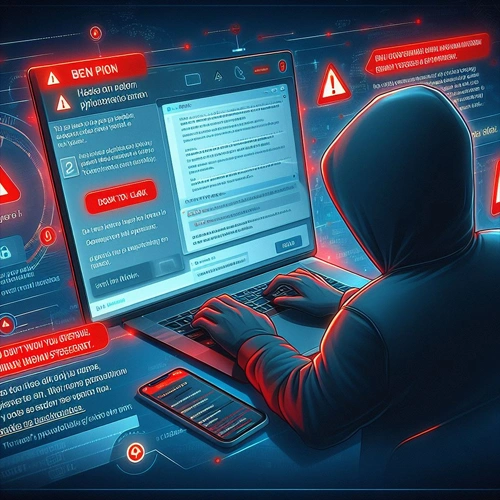
Phishing is a type of cryptocurrency scam that involves convincing unsuspecting individuals to reveal their private keys or login information such as usernames and passwords.
Phishing In Crypto
In this scheme, the perpetrator frequently poses as a trustworthy entity or person, establishing a false sense of trust with the victim. When a victim falls victim to the deception, the attacker uses the information obtained to drain the victim’s wallet.
Phishing does not exploit software vulnerabilities, but rather human error and emotions. Why spend hours trying to hack into a vault when you can simply trick the owner into giving you the keys?
How Crypto Phishing Scam Works
Malicious actors send unsolicited emails or SMS to unsuspecting users, impersonating or fronting legitimate entities such as cryptocurrency exchanges or wallets. These emails or messages frequently target users of a specific protocol, wallet, or crypto exchange.
These emails or messages typically contain links to fake websites that appear identical to the real website.
The goal is to trick the victim into clicking on the link and entering their login information or private keys, thinking they are accessing a legitimate website.
The emails and messages are frequently sent under the guise of urgency or a need to change login information. Once the victim enters their login information, the attacker gains access to the user’s account and drains it of funds.
Unsuspecting users may also download malicious applications and browser extensions that look like legitimate software and fall victim to phishing scams. In DeFi, a victim may also sign a transaction with a malicious protocol, allowing unauthorized access to their wallet.
Types of Crypto Phishing Attacks
Pharming
Even if you use the correct link, this attack will redirect you to a fake website. This is accomplished by compromising a website’s Domain Name Server (DNS). The DNS is in charge of converting the link you type into the IP address of the website.
When the DNS is hacked, even entering the correct link can send you to a fake website because it redirects your link to a different web address. This website may appear and feel identical to the original and prompts you to enter your personal information.
Spear Phishing
Spear phishing is similar to general phishing attacks, but it involves the use of specific information about you. Instead of a generic email, the attackers include publicly available information about you, such as company roles or phone numbers, to make it appear more authentic.
This may lead you to believe the email is from a friend or colleague. If you receive unfamiliar emails from people who appear genuine, always double-check the email address and message details before entering information.
Whale Phishing
Except for the targets, this is identical to spear phishing. Whale phishing targets high-ranking personnel in organizations, such as CEOs or directors. It is also referred to as CEO fraud because CEOs are frequently the targets.
In contrast to credentials from a lower-ranking official in a company, obtaining the CEO’s credentials may imply control over all aspects of the company’s systems or accounts. This allows attackers to obtain larger sums of money or personal information from users and employees than other targets.
Crypto-Jacking
This is the process of mining crypto tokens using your system’s resources. While it is not always the result of a phishing attack, downloading from unfamiliar links can sometimes install such crypto miners on your computer.
Your system’s performance may be sluggish, and its battery life may be reduced. This is due to the mining app being active in the background. It gives attackers access to your resources. This may not even be discovered for a long time.
Cyber Malware
Your system could be entirely taken over by certain attackers. Ransomware is another name for this. You are unable to use your computer or mobile device because hackers have locked you out. They can now view all of the data stored on your computer as a result. The attackers could then make threats to remove this data or reveal your personal information to the public.
The hackers may demand substantial amounts of cryptocurrency in return for relinquishing control over your system.
Ice Phishing
This occurs when attackers send victims fake transactions that appear to be from a legitimate source.
The victim will be required to sign the transaction with their private key; the goal is to trick the victim into signing a transaction that gives the fraudster authority over their tokens.
If the victim continues, they will unknowingly have given the malicious actor ownership of their tokens.
Fake Browser Extension
These are malicious extensions designed to look like legitimate ones; hackers may imitate popular browser wallets such as MetaMask.
They are frequently used to steal sensitive information such as login credentials and trick users into revealing their private keys. They can also direct victims to bogus websites or install malware on their computers.
How Can You Avoid Phishing Attacks?
- Before clicking on a link or attachment in an email, double-check it.
- For each account, use strong or random passwords.
- If you are redirected to a website, make certain that the link is genuine and not a duplicate.
- Never send your passwords or private keys via email, text message, or phone call.
- Enable multi-factor authentication to require a random code for new logins.
- Avoid using shady wallet services or exchanges.
Conclusion
Understanding and mitigating the risks of phishing attacks in the crypto world is paramount for safeguarding the integrity and security of users’ assets. By staying vigilant, adopting secure practices, and promoting awareness, individuals can navigate the cryptocurrency landscape with greater resilience against the ever-evolving threat of phishing attacks
Get the weekly commit
New blockchain deep dives every week.
