

Table of Contents
- Introduction: Crypto Lawsuit Against SEC Takes a Breather
- Background: States Challenge SEC Authority
- New SEC Chair Prompts Pause in Legal Action
- Key Details of the Paused Lawsuit
- Broader Impact: What It Means for Crypto Regulation
- IRS Broker Rule Lawsuit Dropped
- Conclusion: What Comes Next for Crypto Oversight?
1. Introduction: Crypto Lawsuit Against SEC Takes a Breather
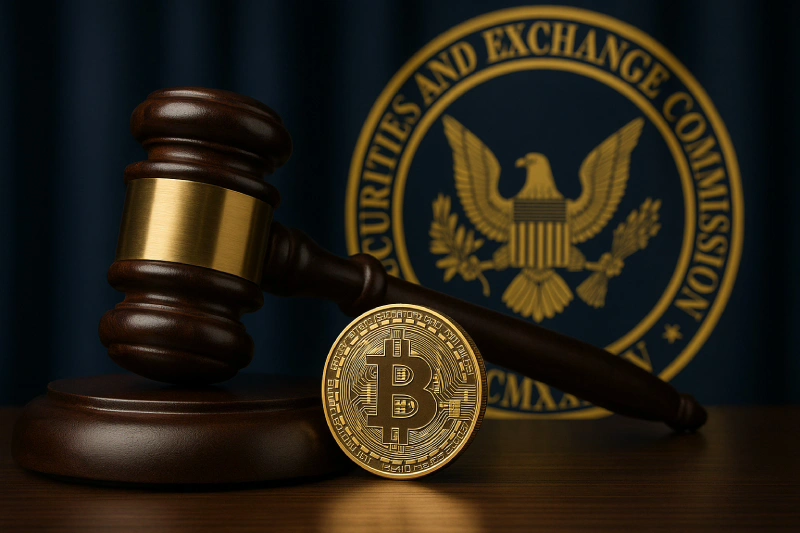
The ongoing crypto lawsuit against SEC has taken a dramatic turn. Eighteen Republican-led states and the DeFi Education Fund have asked a federal judge to pause their legal battle with the SEC, citing the agency’s leadership transition. The request has been granted, marking a temporary halt in one of the most closely watched crypto regulation lawsuits in the U.S.
Acting SEC Chair Mark Uyeda
2. Background: States Challenge SEC Authority
Filed in November after Donald Trump’s 2024 presidential victory, the lawsuit claimed the U.S. Securities and Exchange Commission was overstepping its jurisdiction. The plaintiffs alleged that the SEC was infringing on state rights by bringing enforcement actions against crypto firms operating under local regulatory frameworks.
The suit emphasized that while states have taken varying approaches—such as requiring licenses or implementing liquidity guarantees—they have maintained transparent and adaptable rules tailored to their regions.
A federal judge agreed to pause the lawsuit on Wednesday, acknowledging that recent leadership changes at the SEC could pave the way for resolution.
3. New SEC Chair Prompts Pause in Legal Action
In a Wednesday court filing, the parties jointly requested a pause, citing a major leadership shift at the SEC. With Paul Atkins confirmed as the new Chair, the defendants suggested the litigation could be resolved without further court intervention:
“As support, the Defendants state that due to a leadership transition in the Securities and Exchange Commission, this case could potentially be resolved,” the filing read.
The judge agreed to suspend the proceedings, pausing all case deadlines for 60 days and ordering a joint status report within 30 days.
4. Key Details of the Paused Lawsuit
At its core, the crypto lawsuit against SEC argues that federal overreach threatens state-level innovation in digital asset regulation. The legal team noted that Congress has repeatedly declined to give federal agencies overarching control over crypto markets, reinforcing their position.
5. Broader Impact: What It Means for Crypto Regulation
With Congress gearing up to debate federal oversight legislation for digital assets, this lawsuit pause comes at a crucial moment. Key committees have already begun holding hearings to establish clearer market structure rules for crypto. Meanwhile, the SEC has quietly withdrawn several enforcement actions and investigations.
According to the IRS digital assets guidance, the agency continues to refine its stance on crypto reporting and broker rules.
6. IRS Broker Rule Lawsuit Dropped
On the same day, another major legal development unfolded. The DeFi Education Fund, Texas Blockchain Council, and Blockchain Association withdrew their lawsuit against the Internal Revenue Service (IRS) over its DeFi broker rule.
This decision came after President Trump signed a Congressional Review Act resolution that nullified the IRS rule—marking the first crypto-specific legislation signed under his administration. The plaintiffs declared the lawsuit “moot” in their Wednesday filing, closing another chapter in crypto’s regulatory saga.
7. Conclusion: What Comes Next for Crypto Oversight?
The pause in the crypto lawsuit against SEC and the dismissal of the IRS broker rule challenge signal a temporary cooling of tensions between regulators and the crypto sector. But with Congress actively shaping future regulation and new leadership at the helm of key agencies, the coming months could redefine the role of federal power in digital assets. One thing’s clear: the crypto world isn’t done fighting yet.
Get the weekly commit
New blockchain deep dives every week.
