

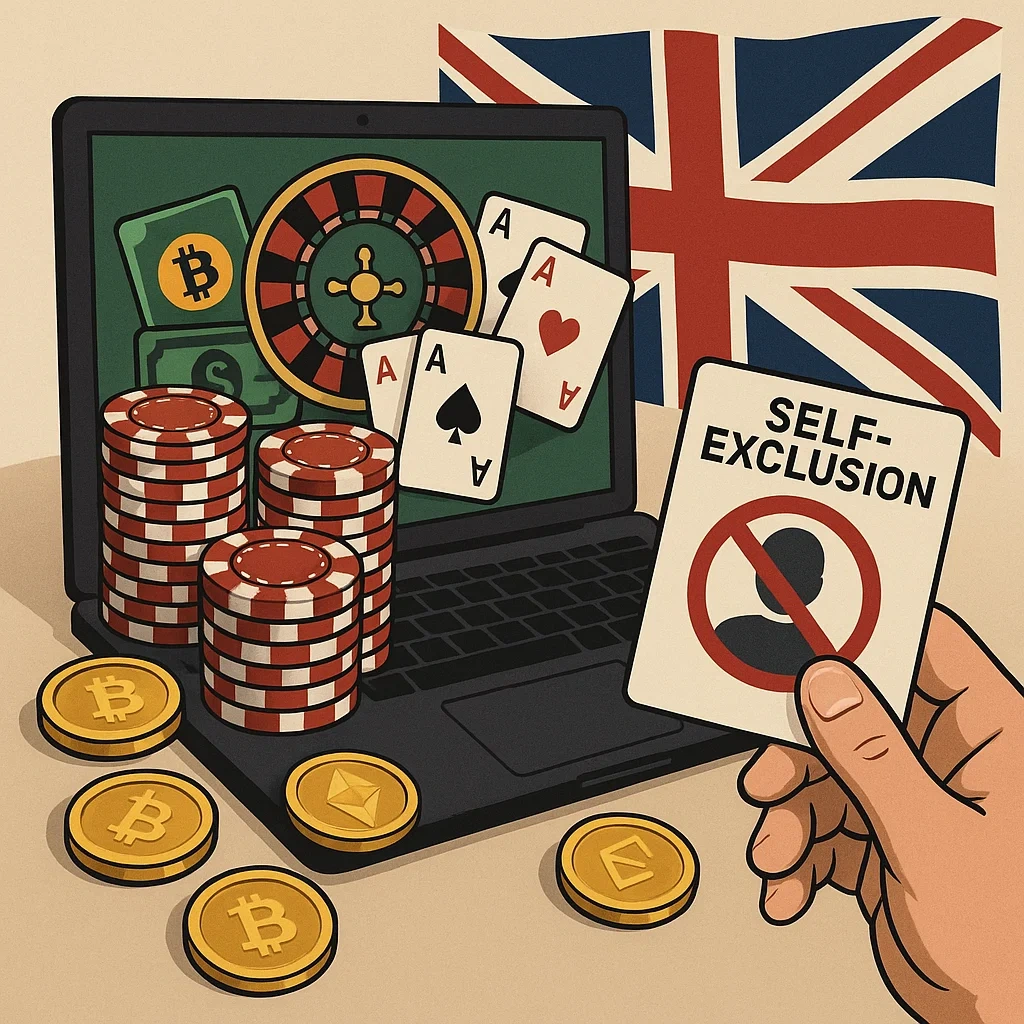
Britain’s gambling industry has long warned of “black market” threats whenever tax hikes or tighter rules are proposed. But new research shows the real crisis is not about mainstream players moving offshore—it’s about crypto-powered illegal casinos deliberately targeting vulnerable people who tried to opt out of gambling.
Tax Fears vs. Reality
The Betting and Gaming Council (BGC) recently promoted survey results suggesting higher taxes could push nearly a third of gamblers toward unlicensed platforms. Their message to policymakers: overregulation benefits the black market.
BGC CEO Grainne Hurst even argued that stricter rules would hand an advantage to illegal operators who pay no taxes, contribute nothing to British sport, and ignore safer gambling protections.
But independent research tells a very different story.
Who Illegal Operators Really Target
A detailed investigation by marketplace intelligence firm Yield Sec found that the boom in Britain’s illegal gambling isn’t driven by price-sensitive punters chasing better odds. Instead, it’s fuelled by two groups who shouldn’t be gambling at all:
- Underage users
- Self-excluded players
Britain’s national self-exclusion program, GAMSTOP, was created in 2018 to allow problem gamblers to block themselves from all licensed sites in one step. Over half a million people are now registered. But Yield Sec’s research shows that the black market has pivoted to target these very individuals, using crypto as a loophole to bypass protections.
The “Not on GAMSTOP” Boom
A disturbing trend is the rise of “Not on GAMSTOP” marketing. Search the phrase online and you’ll find endless affiliate sites and operators openly promoting unlicensed casinos as “alternatives” for excluded gamblers.
Yield Sec identified more than 700 unlicensed sites and over 1,600 affiliates pushing them in the UK market. Since 2022, this illegal ecosystem has grown by over 300%, dwarfing the growth of the licensed sector.
For underage players, the problem extends into so-called “skin gambling” tied to popular video games, where in-game items are used as betting chips—normalizing gambling for teenagers.
