
Introduction
A technology known as virtual reality (VR) produces a simulated environment that enables users to interact with and experience an entirely digital world. Due to its immersive qualities and capacity to take users to locations and experiences that would otherwise be impractical, this technology has experienced a major increase in popularity in recent years.
What is Virtual Reality
Through the use of a headset or other devices, virtual reality technology mimics a world that may be experienced. The user is entirely submerged in a digital environment where they may interact with things, people, and the surroundings. A realistic virtual experience is produced by the technology using a combination of computer graphics, sensors, and tracking.
A screen or displays that are positioned in front of the user’s eyes and a tracking system that monitors the user’s motions make up the majority of VR headsets. Because of this, moving about and interacting with items in the virtual environment seems natural and realistic to the user.
Applications of Virtual Reality
Gaming: VR is most frequently linked to gaming because it enables users to fully immerse themselves in a digital world and interact with the scenery and characters in an authentic and natural way. Gaming in virtual reality (VR) is a thrilling and engaging experience that gives players a brand-new perspective on their favorite titles.
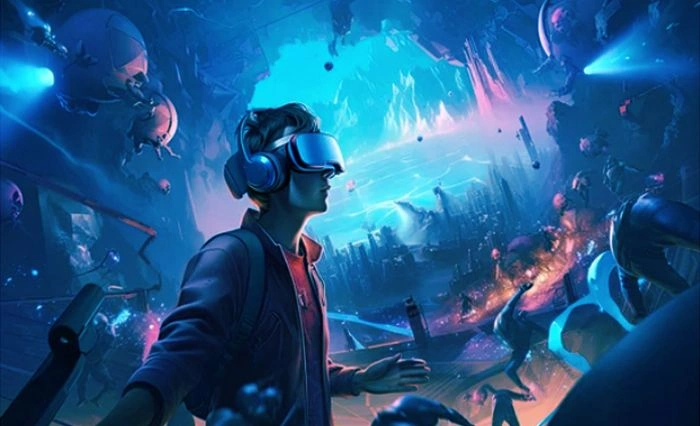
Gaming
Education and Training: Virtual reality technology is also employed in these fields. It offers a virtual environment for learning and practice, which may be especially helpful in professions like medicine, aviation, and military training, where mistakes can be expensive. In addition to driving education, VR is employed in simulations of dangerous locations.
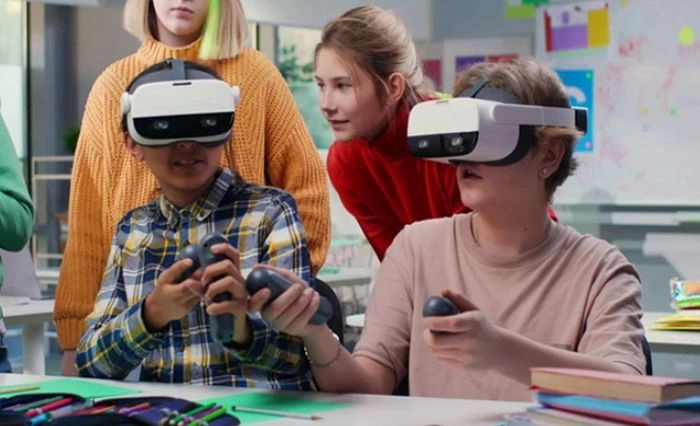
Education And Training
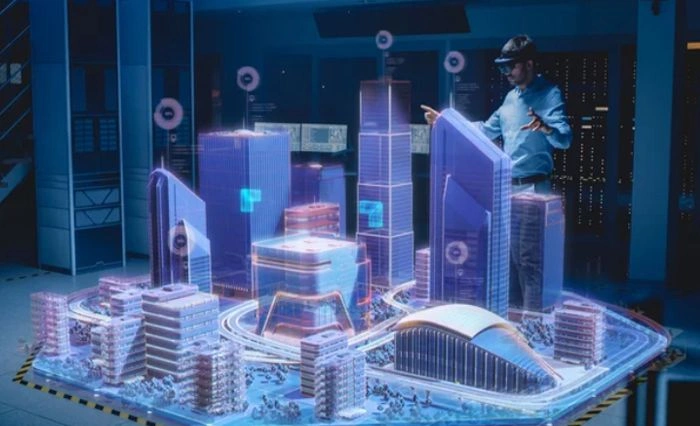
Architecture and design: Before a design is completed, it may be created and visualized in a realistic 3D environment using virtual reality (VR). This may speed up the building process, cut down on mistakes, and save time and money. Additionally, it enables architects and designers to have a more immersive and participatory experience with their creations.