
Introduction
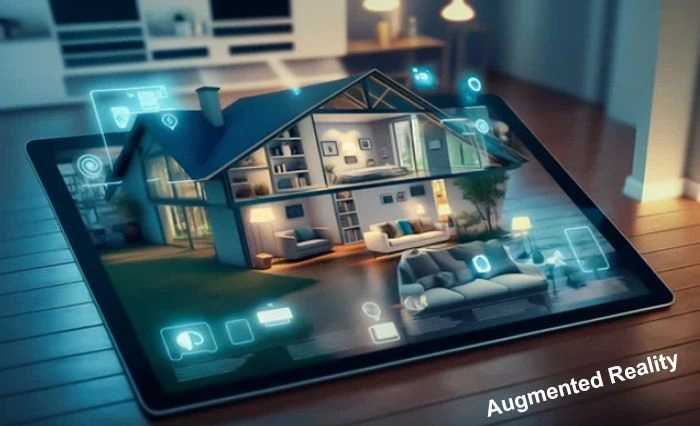
A technology known as augmented reality (AR) combines the virtual and real worlds to provide consumers with an immersive and engaging experience. In real-time, augmented reality (AR) overlays digital media, including images, music, and video, onto the physical environment to improve the user’s sense of reality. In recent years, this technology has grown in popularity and found use in a variety of industries, including gaming, education, marketing, and healthcare.
Describe augmented reality.
By enabling users to engage with digital material in the physical environment, augmented reality (AR) technology improves how people see the world. Using cameras, sensors, and other technology, augmented reality (AR) superimposes digital data, including images, music, and video, onto the actual world in real-time. Users are then able to view and interact with the digital data as though it were a component of the actual environment.
Although augmented reality (AR) technology has been around for a while, recent improvements in hardware and software have made it more approachable and user-friendly. Thanks to smartphones and tablets with AR-capable apps, anyone may now experience AR technology without the need for specialized tools or training.
How Does Augmented Reality Work?
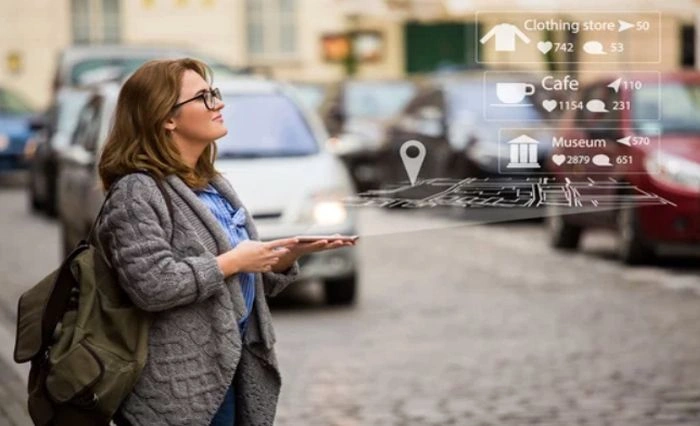
To gather and show digital data in real time, augmented reality uses technology such as cameras, sensors, and projectors. The system integrates computer vision, machine learning, and image recognition algorithms to identify and track actual physical things in the real world while superimposing digital content on top of them.
The surroundings of the user are captured in real-time by cameras and sensors on AR-capable devices, which also recognize and track the location and orientation of surrounding physical items. To provide a seamless and engaging experience, the gadget then overlays digital material over the physical surroundings, lining it up with the physical items.
Applications of augmented reality
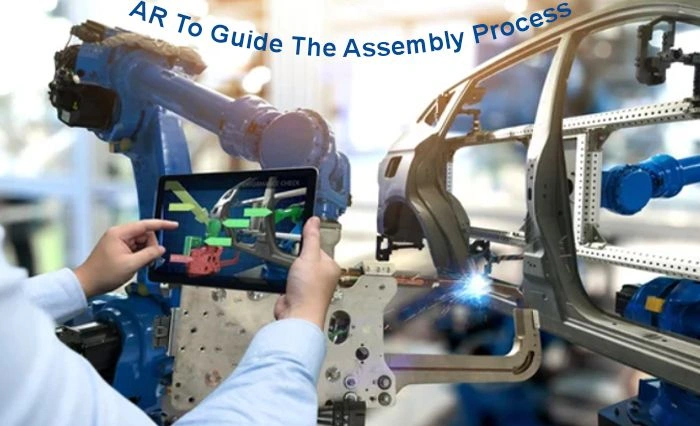
Numerous industries, including gaming, education, marketing, healthcare, and Assembly line automation, have embraced augmented reality technology.
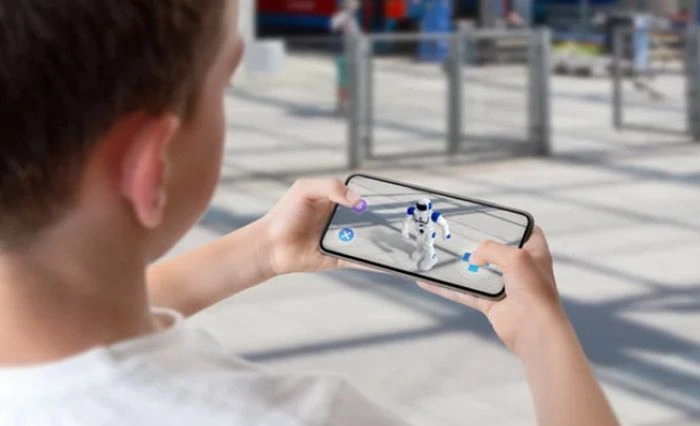
Gaming: AR has gained popularity in the gaming sector, with titles like Ingress and Pokémon Go utilizing the technology to produce engaging and immersive gaming experiences.