

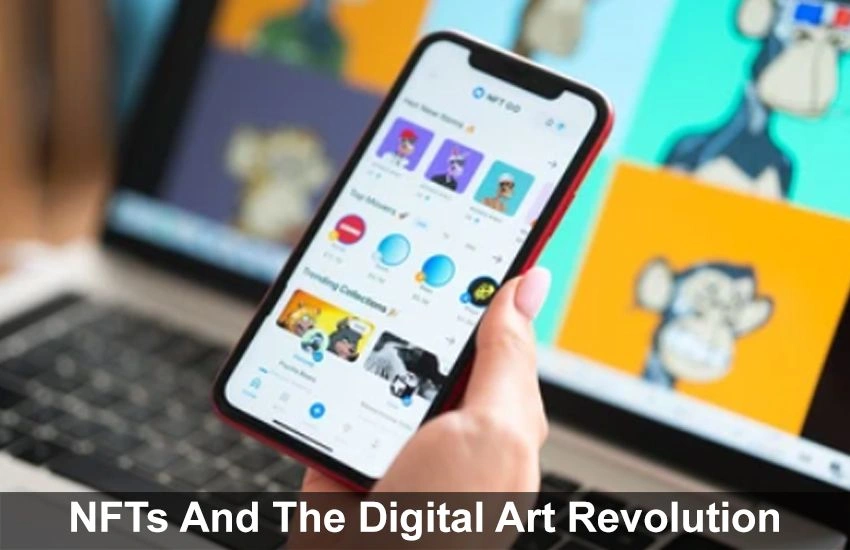
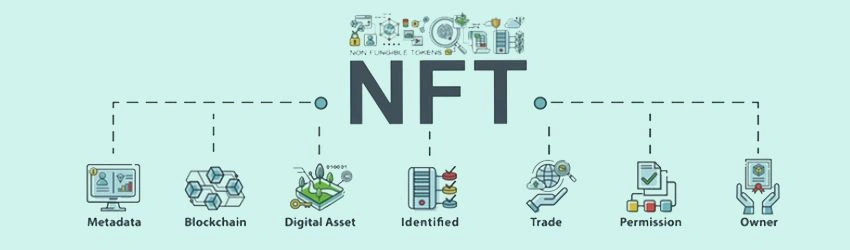
Non-fungible tokens (NFTs) are digital assets that are unique and cannot be replaced by another token. They are stored on a distributed ledger called a blockchain, which records transactions. This makes NFTs tamper-proof and allows them to be used to represent ownership of digital assets, such as artwork, music, and videos.
NFTs have the potential to transform the art world. They can help artists authenticate their work and sell it directly to collectors, bypassing traditional intermediaries such as galleries and auction houses. This can make it easier for artists to get their work seen and sell it for a fair price.
NFTs can also be used to create new forms of art that are interactive and dynamic. For example, an artist could create an NFT that allows the buyer to interact with the artwork in a virtual environment. This could create new opportunities for artists to express themselves and connect with their audience.
The NFT art market is still in its early stages, but it has already seen some major successes. In 2021, the digital artist Beeple sold an NFT of his artwork “Everyday: The First 5000 Days” for $69 million. This was a watershed moment for the NFT art market and showed the potential of this new technology.
There are still some challenges that need to be addressed before NFTs can become mainstream in the art world. The environmental impact of blockchain technology is one challenge. The process of creating and selling NFTs consumes a significant amount of energy, which can contribute to climate change.
Another challenge is the lack of regulation in the NFT art market. This can make it difficult for artists and collectors to protect themselves from fraud and scams.
What are NFTs?
Non-fungible tokens (NFTs) are digital assets that represent ownership or proof of authenticity of a specific item or piece of content, whether it’s digital art, music, videos, virtual real estate, or more.
NFT
What sets NFTs apart from cryptocurrencies like Bitcoin or Ethereum is their uniqueness; each NFT is distinct and cannot be exchanged on a one-to-one basis with another NFT.
