

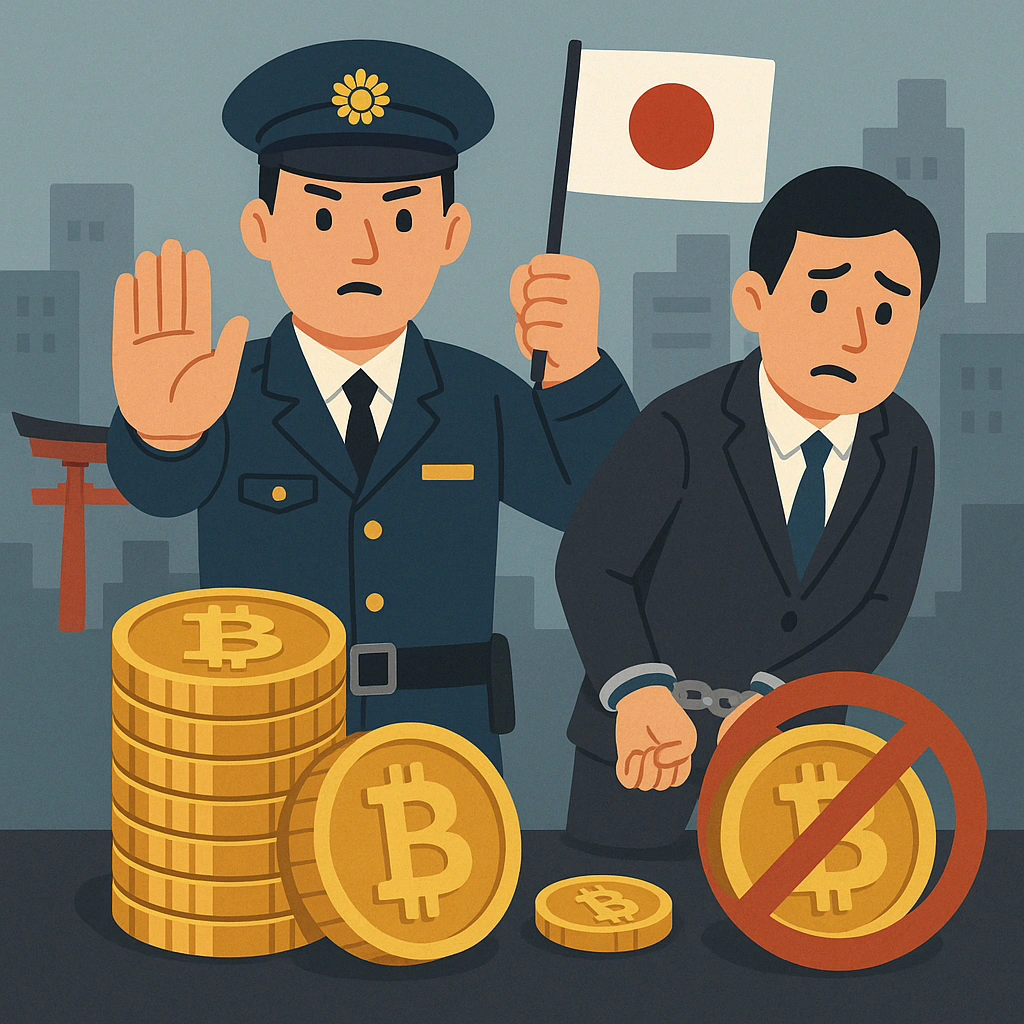
Japan is preparing to introduce tougher regulations aimed at curbing insider trading within the country’s fast-growing cryptocurrency sector. The move would empower financial watchdogs to investigate, penalize, and even file criminal charges against individuals or entities involved in unfair trading practices.
According to reports from Nikkei Asia, Japan’s Securities and Exchange Surveillance Commission (SESC) will soon have expanded authority to monitor suspicious crypto trades. Under the proposed framework, violators could face fines linked to their trading profits and, in severe cases, be referred for criminal prosecution.
At present, Japan’s Financial Instruments and Exchange Act (FIEA) doesn’t explicitly cover insider trading in crypto assets. Moreover, the self-regulated Japan Virtual and Crypto Assets Exchange Association (JVCEA) lacks a robust surveillance system to detect such activity — prompting regulators to push for a more formal legal structure.
The Financial Services Agency (FSA), which oversees the SESC, plans to finalize the regulatory details by the end of 2025, with an amendment to the FIEA expected to be submitted next year. The goal is to bring crypto market regulations in line with traditional stock market rules, ensuring fair play and investor protection.
Japan’s regulators have faced challenges in identifying insider trading cases in crypto, largely because many digital tokens lack a defined issuer, making it difficult to pinpoint who qualifies as an “insider.”
This renewed focus on oversight comes as Japan’s crypto user base has quadrupled over the last five years, reaching 7.88 million users — around 6.3% of the country’s population.
Pro-Technology Leadership on the Horizon
The potential rise of Sanae Takaichi as Japan’s next prime minister could further accelerate the nation’s digital transformation. Known for her pro-tech and innovation-friendly stance, Takaichi has voiced support for blockchain development, digital infrastructure expansion, and “technological sovereignty.”
Analysts believe her administration could bring fresh optimism to the crypto industry, pairing strong regulation with a more flexible approach toward monetary policy, tax reforms, and innovation-driven growth.
Strengthening Legal Frameworks
In a related move, the FSA has proposed bringing cryptocurrencies under the FIEA, shifting oversight away from the Payment Services Act. This change would treat digital assets more like securities — improving disclosure standards, tightening fraud prevention, and addressing issues like unregistered exchanges and investor scams.
Overall, Japan’s planned reforms mark a significant step toward balancing innovation with accountability — aiming to make its crypto markets safer, more transparent, and globally competitive.
Get the weekly commit
New blockchain deep dives every week.
