

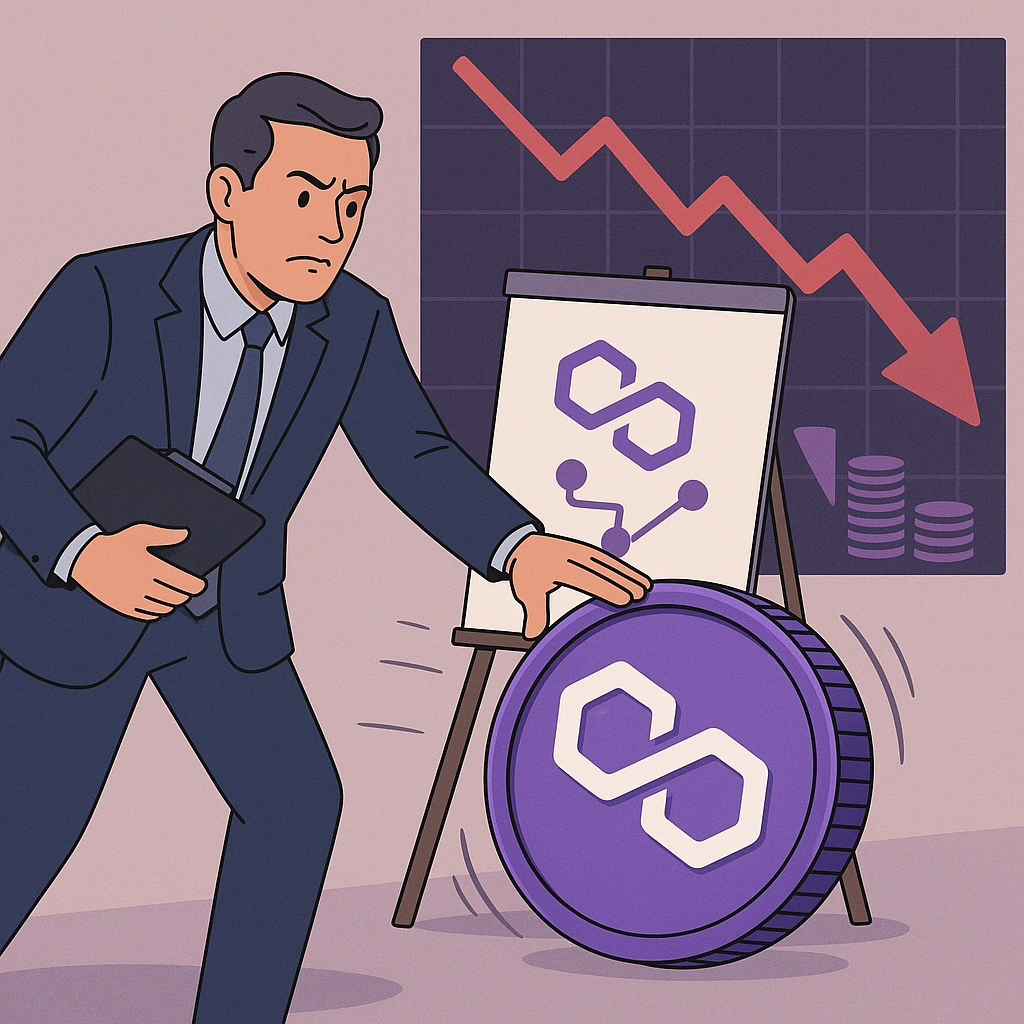
An activist investor has sparked a debate within the Polygon (POL) community by proposing a complete redesign of the network’s tokenomics model. The move comes amid a prolonged price slump for POL, which has significantly underperformed compared to the broader cryptocurrency market.
The proposal — shared by an investor using the alias Venturefounder — urges Polygon to remove its 2% annual inflation rate and instead introduce a token buyback or burn mechanism to support price stability and investor sentiment.
According to the investor’s post on Polygon’s governance forum, the current token issuance rate adds around 200 million POL tokens per year, creating continuous sell pressure. The suggested changes include either switching to a zero-inflation model or implementing a gradual reduction of inflation by 0.5% each quarter until it reaches zero.
“The current supply model no longer fits Polygon’s strategic goals. A deflationary or fixed supply will restore trust, reward long-term holders, and better align incentives with the project’s growth,” Venturefounder wrote.
Drawing Parallels With Other Crypto Models
The author referenced other major cryptocurrencies such as BNB, Avalanche (AVAX), and Ethereum (ETH) — all of which have adopted mechanisms that limit or reduce token supply — as examples of how deflationary systems can strengthen value over time.
The post quickly gained traction on social media, with Venturefounder’s accompanying thread on X drawing over 25,000 views. The investor called POL’s 46% decline over the past year “unacceptable,” especially during a period of strong performance from market leaders Bitcoin and Ethereum.
Polygon Leadership Responds
The discussion has caught the attention of Polygon Labs leadership. Co-founder Brendan Farmer and CEO Marc Boiron both acknowledged the ongoing debate, signaling openness to community dialogue.
