

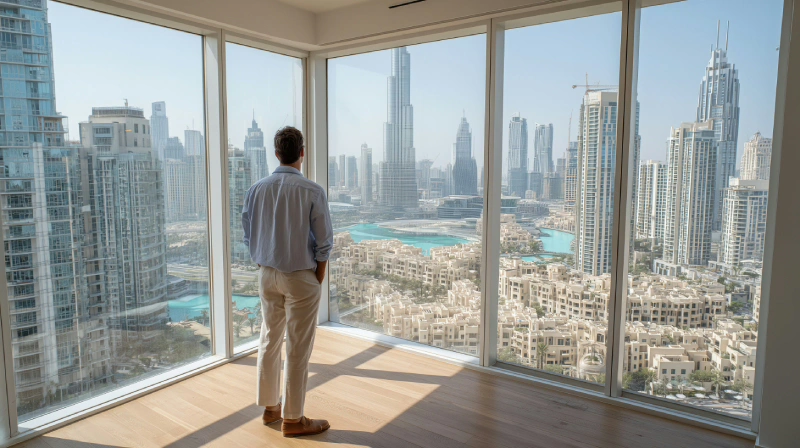
In 2025, Dubai is quickly becoming the global capital of crypto-enabled real estate. Whether you’re a crypto investor with substantial holdings in Bitcoin or a stablecoin enthusiast looking for practical utility, buying a property in Dubai using digital currency is no longer a futuristic concept it’s a regulated reality.
With clear guidelines from VARA (Virtual Assets Regulatory Authority), support from major developers like Damac and Emaar, and a growing ecosystem of licensed service providers, the process of purchasing a home in Dubai with cryptocurrency is smoother and more secure than ever before.
The Regulatory Backdrop: A Clear-Cut Path
Unlike many regions still grappling with digital asset laws, the UAE particularly Dubai has created a structured, government-backed framework for crypto-based property transactions.
At the center of this ecosystem is VARA, the city’s virtual asset regulator, alongside the Central Bank of the UAE, which oversees conversions between crypto and the local currency (AED). Any real estate transaction involving cryptocurrency must pass through licensed platforms that meet stringent KYC (Know Your Customer) and AML (Anti-Money Laundering) protocols. This ensures that every transfer is traceable, legitimate, and aligned with national security standards.
Even though you may initiate your payment in BTC, ETH, or USDT, the Dubai Land Department (DLD) finalizes ownership only after the funds are legally converted into dirhams.
Real Estate Giants Embrace Crypto
Dubai’s most prestigious property developers are now accepting crypto as a valid form of payment — not just as a gimmick, but as a strategic shift to attract global buyers.
- Damac Properties offers multi-million-dirham off-plan homes and luxury towers payable in Bitcoin, Ether, or stablecoins.
- Emaar, behind iconic landmarks like the Burj Khalifa, supports select crypto deals through licensed intermediaries.
- Nakheel, builder of the Palm Jumeirah, works with platforms like Hayvn to process digital asset payments for sales and rentals.
The market has matured beyond experimentation. Crypto is now a mainstream purchase method for high-end and mid-market properties alike.
Why Crypto Buyers Are Choosing Dubai
There are three major reasons international investors are flocking to the UAE for crypto-based real estate:
- Speed: Transactions that once took days now settle in minutes.
- Global Access: No banking bottlenecks or currency restrictions. Anyone with a crypto wallet can buy.
- Lower Fees: Crypto payments often bypass hefty international transfer costs.
Beyond that, the entire process is becoming more user-friendly. Agencies like Engel & Völkers Dubai and Provident Estate are tailoring services for crypto investors, offering end-to-end solutions from property selection to onchain verification and fiat conversion.
What Coins Can You Use?
The most commonly accepted cryptocurrencies for property in Dubai include:
- Bitcoin (BTC) – Often used for luxury villas or off-plan homes
- Ethereum (ETH) – Popular for upscale apartments
- Stablecoins (USDT, USDC, EURC) – Preferred for price stability
Buyers must confirm which assets are eligible with the developer or brokerage. In some cases, deals may require partial payment in AED or offer fixed conversion rates to hedge against volatility.
How a Crypto Property Purchase Works (Step-by-Step)
- Find a Crypto-Friendly Brokerage Choose an agency experienced with virtual asset deals many of them now offer dedicated crypto desks.
- Negotiate Terms Ensure your purchase agreement specifies crypto as the funding source and outlines the conversion mechanism.
- Use a Licensed Payment Processor Platforms like Rain, Binance UAE, and CryptoProcessing handle the crypto-to-AED swap while staying compliant with UAE law.
- Complete KYC and Compliance Checks Full transparency on wallet ownership, asset origin, and buyer identity is required.
- Register with DLD Final registration is done in dirhams, per Dubai’s legal mandate.
Risks to Watch For
Despite the rapid evolution of this market, there are still a few challenges:
- Volatility: Crypto prices can swing dramatically. Stablecoins or contracts with locked exchange rates help reduce this risk.
- Changing Regulations: New rules from VARA or the central bank could impact future payments — stay updated.
- Unregulated Providers: Using unlicensed platforms can expose buyers to fraud or invalidation of the sale.
Buyers are advised to work only with licensed agents and processors and maintain full documentation for compliance.
What’s Next: Tokenized Real Estate & Fractional Ownership
Crypto real estate in Dubai is evolving beyond direct payments. The city is now embracing:
- Property Tokenization: Platforms like Prypco Mint enable fractional ownership through blockchain-based tokens. A luxury villa can be divided among hundreds of investors within minutes.
- Institutional Expansion: Damac’s $1B tokenization venture with Mantra is ushering in large-scale projects powered by crypto-native infrastructure.
- Integrated Digital Ecosystems: The DLD is collaborating with exchanges, custodians, and developers to create a regulated, end-to-end tokenized property market.
This is shaping a future where real estate becomes liquid and accessible, and buyers can diversify their portfolio in Dubai’s booming housing market using digital assets.
Final Thoughts: A New Standard for Global Investment
Dubai’s fusion of regulation, developer adoption, and tech innovation positions it as a pioneer in crypto-powered real estate. For international investors, the city offers a unique blend of luxury property, tax advantages, and digital asset utility within a framework of safety and legal clarity.
Whether you’re holding Bitcoin or stablecoins, owning a piece of Dubai real estate with crypto is now more than just possible. It’s practical, secure, and increasingly common.
Get the weekly commit
New blockchain deep dives every week.
