

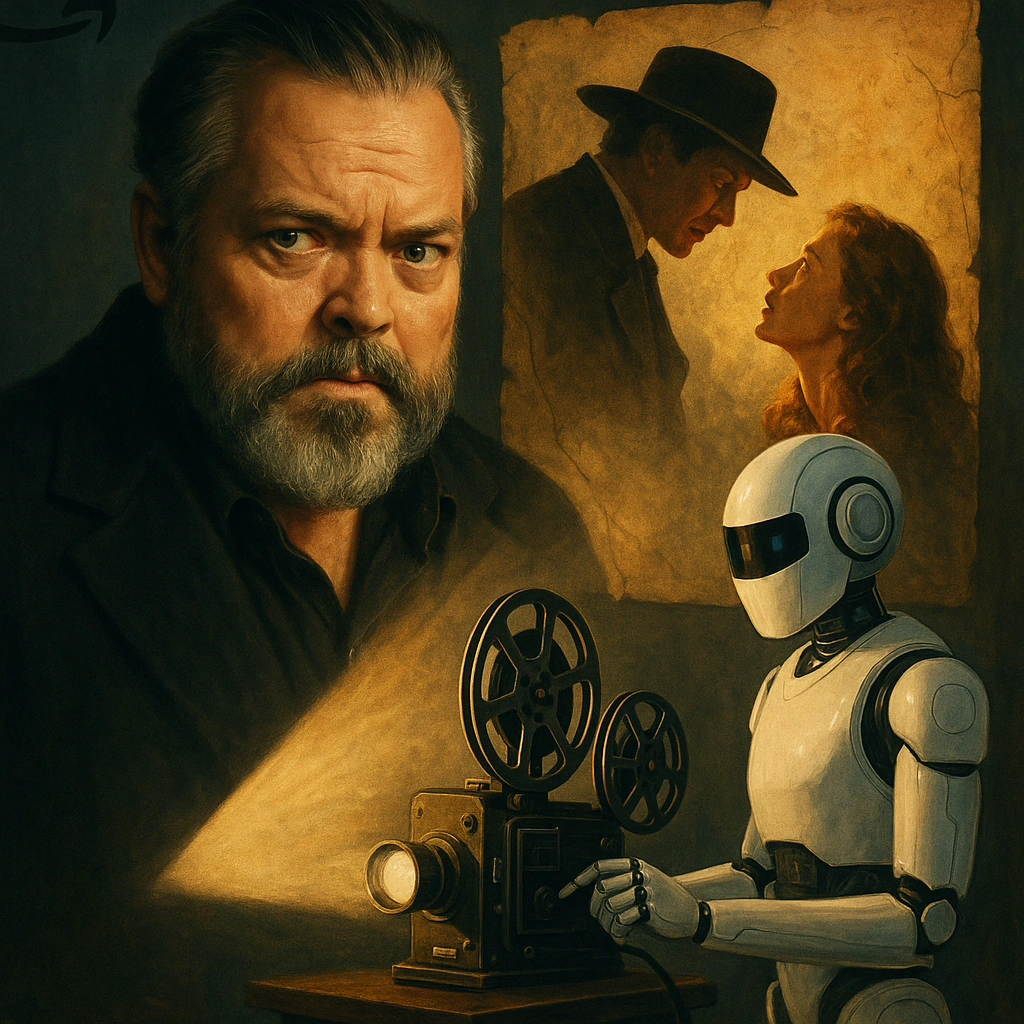
An unusual tech experiment is underway: Fable, a Silicon Valley AI studio backed by Amazon’s Alexa Fund, says it will attempt to digitally re-create the missing 43 minutes from The Magnificent Ambersons, Orson Welles’ famously butchered 1942 film.
The company is best known for its AI platform that lets people spin up animated shorts using prompts. Until now, it has mostly played with its own intellectual property, though users have already tested the system on popular shows like South Park. With its latest AI model, Fable wants to show it can handle longer, more complex narratives — and the reconstruction of a “lost masterpiece” is the proving ground.
Why target The Magnificent Ambersons?
Film historians know the movie as one of Hollywood’s greatest what-ifs. While Welles’ Citizen Kane is celebrated as a landmark achievement, his follow-up was gutted by RKO executives, who chopped nearly an hour, rewrote the ending, and ordered the original reels destroyed. Even in its compromised form, the movie remains respected, but it is remembered mostly for what was taken away.
For filmmaker Brian Rose, who has already spent years working on digital reconstructions of Welles’ version, the choice makes sense. Rose will spend the next two years blending AI tools and live-action reshoots to approximate the missing sections. Modern actors will perform scenes, then have their appearances digitally altered to mimic the 1940s cast.
Rights? Permissions? Not so much.
The catch: Fable hasn’t secured the rights to the film or contacted Welles’ estate. That omission has stirred criticism.
David Reeder, who represents Welles’ daughter Beatrice, accused the company of riding on Welles’ reputation without acknowledgment or consent. In his words, the project is less about art and more about “a mechanical exercise” that can never replace the vision of a groundbreaking filmmaker.
Interestingly, the estate itself has experimented with AI — building a synthetic version of Welles’ voice for commercial work. Their objection is less about the use of new technology and more about being left out of the conversation.
The bigger question: can AI replace genius?
Fable insists this is not a gimmick but a tribute. Rose in particular laments the loss of a celebrated four-minute tracking shot, most of which was erased by the studio. His hope is that modern tools can give audiences a sense of what was lost.
But even supporters admit the best result would still be a simulation — not Welles’ version, but an alternate-history patchwork of AI, code, and performance.
Unless the destroyed reels are ever discovered in an archive or private collection, the true Ambersons is gone forever. And no matter how advanced the software becomes, many cinephiles argue that technology can’t conjure back the singular imagination of Orson Welles.
Get the weekly commit
New blockchain deep dives every week.
